
Here’s the thing. I dove into browser extension wallets early on, back when NFTs were the hot flex in my feed. I loved the immediacy: swap, sign, go — it felt like magic. But that magic has sharp edges, and somethin’ about how we treat keys in a tab still bugs me. Over the years I noticed patterns—small slips, repeated mistakes, and very very costly misunderstandings that weren’t hard to avoid.
Wow! Browser wallets are delightful for UX reasons. They sit next to your bookmarks and promise instant access to Ethereum and layer-2s. My instinct said “this is the future” but then reality pushed back hard. Initially I thought raw convenience was the main win, but then realized security ergonomics are the real product that matters long term. So yeah—convenience plus safety is where the work happens.
Really? You still click “Connect” without a second glance? That’s how hacks start. I watch folks sign three approvals in a row and call it a day. On one hand the UX makes DeFi approachable, though actually that same simplicity can encourage thoughtless permissions. If you want fewer surprises you need habits, tooling, and sometimes a little skepticism—like asking who benefits from each signed transaction.
Here’s the thing. Extensions run inside browsers that also run dozens of tabs and a jungle of first-party scripts. That environment creates attack surfaces that are subtle and persistent. My anecdote: once a tab injected a script that replaced an ERC-20 approval modal with a subtly altered amount; I nearly missed it. I was lucky—seriously lucky—but the experience rewired how I approach approvals and allowance hygiene. Now I treat approvals like financial hygiene: prune regularly and double-check recipients.
Wow! Permission models are messy. Many dApps still ask for “infinite” allowances because it’s convenient for them. That convenience transfers risk to you, the user. So what do you do practically? Approve precise amounts, use wallets that show the exact calldata, and consider wallets that separate signing from approvals when possible. Small friction up front saves grief later.
Really? People ask me if hardware wallets are the only safe route. Nope. Hardware is great, but it’s not the only tool in the kit. Browser extension wallets have matured—some now include transaction previews, domain isolation, and phishing detection heuristics that are genuinely useful. I’m biased, but a well-designed extension wallet that prioritizes clarity and permission control can be both convenient and secure, especially for active DeFi users.
Here’s the thing. UX security is a design problem, not just a crypto one. When signing flows show raw calldata with no human-friendly translation, users guess. When domains spoof favicons or use homograph tricks, users misclick. When wallets don’t surface counterparty addresses clearly, people assume it’s safe. We need wallets that translate technical data into decisions people can actually make under pressure.
Wow! I tested a few wallets and kept returning to tools that reduce ambiguity. One wallet I began using stood out for transaction clarity and cross-chain handling. It made me rethink how an extension can balance speed with guardrails. After months of using it in the wild, I felt more confident executing complex swaps and bridging operations without constant dread. That confidence matters—it’s part of the security story too.
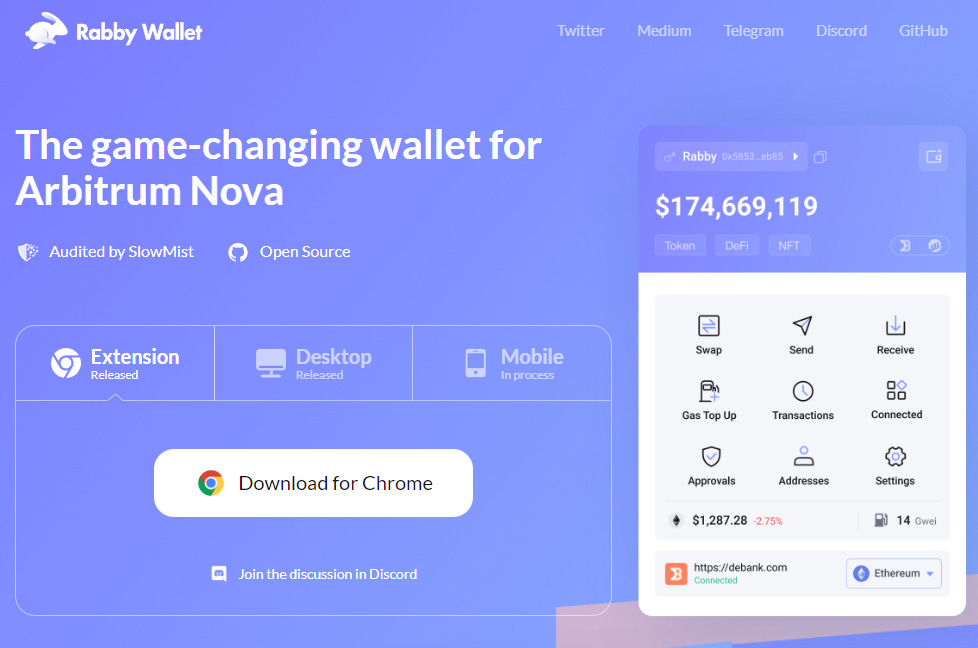
Really? If you want a practical suggestion, start with a wallet that gives you readable transaction previews and allowance management built into the UI. Try to find a wallet that supports multi-account isolation and lets you create ephemeral accounts for risky interactions. For me that led to a smoother workflow and fewer emergency recoveries. If you want to download something that emphasizes these features, check out rabby—it’s what I’ve recommended to peers who want a more cautious, pro-friendly extension wallet experience.
Here’s the thing. No single tool solves social engineering, clipboard malware, or poor mental models. Wallets are part of a broader habit stack: mental velocity, careful approvals, network hygiene, and recovery planning. I’m not 100% sure of the perfect checklist, and honestly I doubt one exists for every user, but small changes compound. For traders that means curated approvals and hardware-backed signing for very large swaps. For builders it means designing flows that avoid deceptive prompts.
Practical steps I follow (and you can steal)
Wow! Use distinct accounts for different activities: one for staking, one for DEX trades, another for experimental airdrops. Keep approval amounts limited and prune allowances periodically. Incorporate transaction previews into your routine, and when in doubt copy the recipient address and validate it on a block explorer or the dApp’s official docs; yes it’s a small extra step but it catches a lot of spoofing. I’m still learning, and I still mess up sometimes… the key is that these habits reduce the blast radius when things go sideways.
Really? Backups are more than a seed phrase written on a sticky note. A hardware wallet, a physically secure backup of your seed, and a tested recovery plan matter. Store one copy offline and one in a secure, separate location if possible. Practice recovery once in a safe environment so you know what the process feels like when stakes are high.
FAQ
Q: Are browser extension wallets safe for everyday DeFi?
A: They can be, if you choose one that prioritizes clear transaction wording and permission controls, and if you pair it with good habits—limited approvals, account isolation, hardware for high-value ops, and vigilance around phishing attempts. No tool is perfect, but the combination of better UX and better habits reduces risk significantly.
Q: How do I recognize a suspicious transaction?
A: Look for unfamiliar recipient addresses, unusually large approval amounts, and any requests that ask you to grant unlimited token transfers. Pause. Copy the calldata or address into a block explorer, and cross-check the dApp’s intended behavior. If something feels off, don’t approve it—walk away and re-evaluate later.