
Okay, so check this out—browser wallets are quietly running the show in DeFi. Wow! They sit between you and dozens of protocols, and they decide whether a trade happens or a rug pulls your funds. My instinct said years ago that UX would beat security for most people. Initially I thought ease-of-use was the only thing that mattered, but then I watched a friend lose funds because of a sloppy approval flow, and that changed how I prioritize things. On one hand, convenience drives adoption; though actually, security mishaps crush confidence and move people back to custodial solutions.
Whoa! The stakes are real. Seriously? Yes. Getting the right browser extension wallet can mean the difference between smooth swaps and a painful cleanup. I’m biased, but I prefer wallets that keep subtle security signals front-and-center without making every interaction feel like filing taxes. Hmm… somethin’ about a popup that explains nonce collisions really calms me down. Initially I thought more features always helped, but then realized bloated extensions introduce more attack surface and user confusion.
Here’s the thing. Shortcuts in onboarding often mask complex risks. Wow! Most users click accept. Most. That habit is exactly what attackers prey on. My first wallet mishap (embarrassingly early in my DeFi days) taught me to read approvals like a lawyer reads contracts—awkward at first, but necessary. On the other hand, overcomplicating every step alienates newcomers, though actually there’s a sweet spot where clarity and defense meet, and that’s where good extensions live.
Why multi-chain matters now. Wow! DeFi is splintered across L1s and L2s. Seriously? Yep—assets move fast between chains, and you need a wallet that doesn’t demand a PhD to manage that movement. Initially I thought chain-hopping would be rare, but liquidity incentives pulled users all over the map. So a modern browser wallet must handle networks gracefully, show clear warnings, and keep private keys safe in all those contexts.
Check this out—user interface is deceptive. Wow! A polished UI can hide dangerous defaults. My gut feeling is that designers sometimes prioritize neat icons over permission clarity. I’ll be honest: this part bugs me. There are extensions that will request “full account access” for trivial interactions, and people accept without thinking. On reflection, wallets that default to the least privilege and ask for explicit approvals on sensitive actions generally keep users safer over time.
Security is a layered problem. Whoa! You need secure seed storage. Seriously? Yes, but that’s not the whole story. Hardware wallet integration, transaction simulation, permission revocation tools, and alerts for suspicious activity all matter too—especially when your portfolio spans many chains. Initially I thought hardware-only was the safest route, but then realized that a wallet extension which integrates hardware devices and provides clear UX for cross-chain actions is often the most practical for daily DeFi users.
Okay, real-world example time. Wow! A friend approved a token contract for unlimited transfers because the UI buried the approval details. The result was painful. My instinct said “this will end badly,” and yep it did. That incident pushed me to start teaching people to revoke approvals regularly. On a more positive note, using extensions that show granular approval histories and let you revoke in one click cuts exposure dramatically, and it feels empowering.
Functionality checklist. Wow! You want clarity on network fees, chain names, and token decimals. Seriously? Oddly, many wallets still show raw gas values with zero context. I initially thought adding educational tooltips was trivial, but it turns out good tooltips require careful wording and timing, or users ignore them. So wallets that contextualize gas and offer suggested speed presets without hiding the tradeoffs are worth their weight in ETH.
Now about permission management. Whoa! This is the place most extensions silently fail. My gut said permission revocation would become a core feature years ago, but adoption lagged. Initially I thought users wouldn’t care, though actually they do when funds are at risk. Extensions should show a permissions dashboard that lists dapps, allowed token contracts, and approved amounts, with fast revocation buttons. That tiny UX detail prevents very very expensive mistakes.
Longer thought here: even the best wallet needs to communicate uncertainty and risk, not pretend to eliminate it, because the DeFi ecosystem has emergent behaviors that no single team can fully predict, and users who understand that nuance make safer choices. Wow! That sentence was a mouthful. Seriously? Yep. It matters because false certainty breeds complacency. On the flip side, too much warning fatigue is counterproductive, so the trick is to balance honest alerts with actionable next steps.
Performance matters. Whoa! Slow extensions kill trust. My first impression with one extension that lagged was “this feels sketchy.” I’m not just picky—timing attacks and UI lag can enable phishing overlays in theory, and in practice delays lead people to click without scrutiny. Initially I thought performance was only a UX concern, but then saw that faster, well-optimized extensions also reduce certain classes of attacks and provide snappier interactions during high gas periods.
Integration with dapps. Wow! The best experience is when a wallet exposes safe defaults but lets power users dive deeper. Seriously? That balance separates hobby traders from pros. I used to think minimalism was the ideal, but actually power users need transaction simulation, revert reason reporting, and nonce management. A wallet that caters only to one group will frustrate the other, and that friction can push experienced users toward less secure DIY solutions.
Speaking of which—transaction simulation is a game changer. Whoa! Seeing a dry-run of a swap or a contract call reduces surprises. My instinct said “show estimated outcomes first,” and wallets that implement this reduce mistakes. On the other hand, simulations aren’t perfect because they depend on chain state and mempool dynamics, though actually they’re still vastly better than blind signing. If a wallet extension provides simulation plus a readable summary, that’s a huge win.
Privacy trade-offs deserve a paragraph. Whoa! Wallets that index your transactions locally are different from those that sync metadata to a server. Seriously? Many users don’t realize this. I initially assumed browser extensions were inherently private, but that assumption is wrong when optional cloud syncing is offered. So check the privacy model—local-only keys and clear explanations about what, if any, telemetry is collected matter a lot for people who value anonymity.
Let me be frank: onboarding is a moral choice. Whoa! Some wallets nudge users into custodial backups and cloud keys. My gut says that for mass adoption, some trade-offs will be necessary; though actually those compromises should be explicit and reversible. Initially I thought any optional sync was fine, but then realized users often confuse “backup to cloud” with “someone else controls my keys,” and that confusion is dangerous.
How I choose a browser extension wallet (and why)
I look for clear permission prompts and a permissions dashboard first. Whoa! Next I check chain support and how the extension handles unknown networks. Seriously? Yep—adding a new L2 should be easy and should show fees before you act. I test hardware wallet integrations and transaction simulation next. Initially I thought a glossy UI was enough, but then I noticed it’s the subtle cues—like whether a wallet warns when approving unlimited approvals—that separate good products from dangerous ones. I’m biased toward solutions that educate without scaring people off, because adoption depends on trust, not fear.
Pro tip: try to simulate a common flow, like a token swap, and watch for these red flags—hidden approvals, unclear fee estimates, or global account access requests that don’t match the dapp’s needs. Whoa! If any of those show up, pause. My instinct says to revoke permissions immediately after a risky interaction. Okay, so check this out—I’ve personally found that wallets with built-in revoke tools save hours of headache and reduce stress.
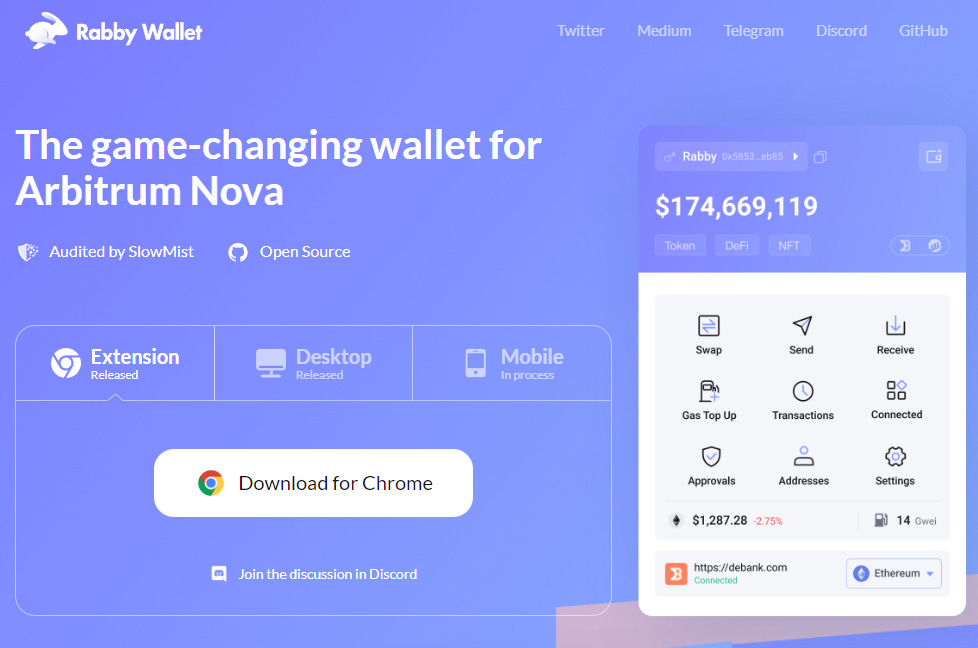
If you want a place to start, consider a wallet that combines usability with robust security features. One practical option to try is rabby wallet, which focuses on multi-chain support and clearer permission handling. Wow! That recommendation isn’t blind. I spent time playing with it and liked how it surfaces approvals and integrates hardware devices. Honestly, I’m not 100% sure it’s the best for everyone, but it’s a solid, well-designed choice for people balancing usability and security.
One more caveat: no wallet is a silver bullet. Whoa! Human behavior often undermines strong tech. My instinct said “teach by default,” and wallets that include gentle, repeated education help users form better habits. On the other hand, too many modal warnings create fatigue and become noise. The healthier approach is contextual reminders that appear when risk is actually present, combined with easy-to-access learning resources.
FAQ
What makes a wallet “multi-chain”?
A multi-chain wallet lets you manage assets across different blockchains from one seed or account interface, and it shows clear network contexts, fees, and token balances without forcing you to juggle separate apps or import multiple keys.
Can a browser extension be as secure as a hardware wallet?
Not exactly. Hardware wallets isolate keys from the browser, which reduces attack surface. But a browser extension that integrates hardware signing, performs transaction simulation, and provides permission control approaches a high level of practical security for everyday use.
How often should I revoke approvals?
Regularly. Whoa! Monthly checks are a good habit for active users. Also revoke immediately after interacting with untrusted dapps. My experience says that a quick monthly cleanup avoids very very costly mistakes.