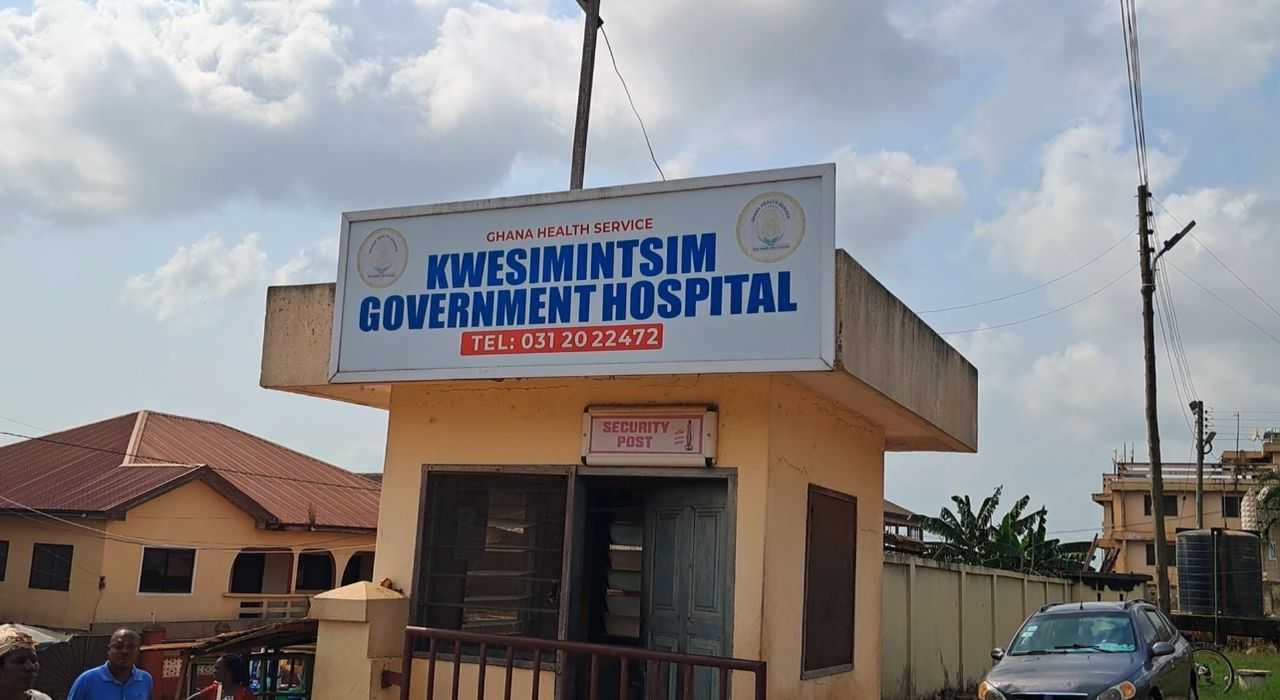
A cholera outbreak in Kwesimintsim, a community in the Western Region of Ghana, has left two people dead, with 19 fresh cases recorded, health authorities confirm. The alarming development has sparked concern among residents and health officials, prompting an urgent response to contain the disease and prevent further spread.
Health experts attribute the outbreak to poor sanitation and contaminated water sources, which are common causes of cholera. Reports suggest that many households in the affected area lack access to clean drinking water and proper waste disposal systems, creating an environment conducive to the spread of the waterborne disease.
Medical teams have been deployed to the area to provide treatment to those infected, while education campaigns are being conducted to sensitize the public about cholera prevention. Residents are being urged to practice good hygiene, including regular handwashing with soap, boiling drinking water, and ensuring food is properly cooked and stored.
Local authorities are also stepping up efforts to address the root causes of the outbreak. This includes improving waste management systems, ensuring access to potable water, and enforcing sanitation regulations in the community.
The Ministry of Health has called on the public to report suspected cholera cases promptly to health facilities to prevent further fatalities. Symptoms of cholera include severe diarrhea, vomiting, and dehydration, which can quickly become life-threatening if not treated.
As the situation unfolds, health officials are warning neighboring communities to remain vigilant and take precautionary measures to avoid a potential spread. The Kwesimintsim outbreak serves as a stark reminder of the importance of improving sanitation and public health systems to prevent similar occurrences in the future.