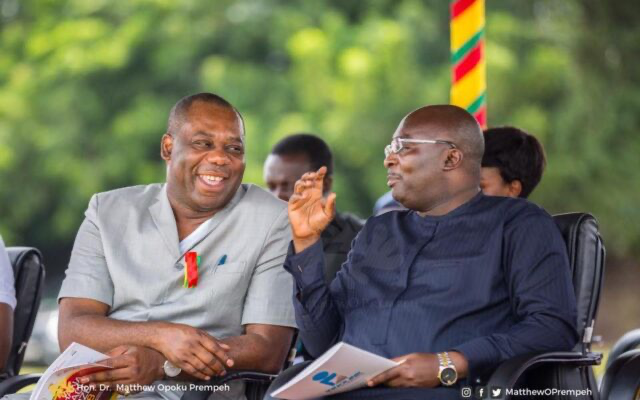
Ghanaian politician and Member of Parliament, Dr. Matthew Opoku Prempeh, popularly known as Napo, has addressed the New Patriotic Party (NPP)’s loss in the 2024 elections, emphasizing the need for introspection and reflection. Speaking in the aftermath of the party’s defeat, the former Minister of Education and Energy stated that it is crucial to identify and address the root causes of the setback to reposition the party for future success.
Napo acknowledged the disappointment of party members and supporters while urging calm and unity. He noted that electoral losses often provide a critical opportunity to evaluate strategies, leadership decisions, and policies implemented during the campaign and in governance. According to him, understanding the reasons for the NPP’s defeat will not only provide lessons for the future but also ensure that the party reconnects effectively with the electorate.
Among the factors Napo highlighted were challenges with voter engagement, internal party cohesion, and perceptions of the party’s performance in government. He stressed the importance of examining how well the NPP communicated its achievements and vision to Ghanaians, particularly in the face of economic and social challenges.
Napo also pointed out the necessity of addressing internal conflicts and fostering stronger collaboration among party members. He called for constructive dialogue and inclusivity within the NPP to rebuild trust and unity. Recognizing the role of the youth in shaping electoral outcomes, he urged the party to enhance its engagement with young voters and address their concerns more effectively.
While reflecting on the party’s performance, Napo encouraged supporters not to lose hope, expressing confidence in the NPP’s ability to regroup and make a strong comeback in subsequent elections. He called on the leadership to work diligently to restore faith in the party’s vision and ideals.
Napo’s comments resonate with many who believe that introspection and decisive action are vital for the NPP to overcome its challenges and reclaim its position as the preferred choice for Ghanaians in the future.